Pests don't just Spread Disease —they Destroy Reputations
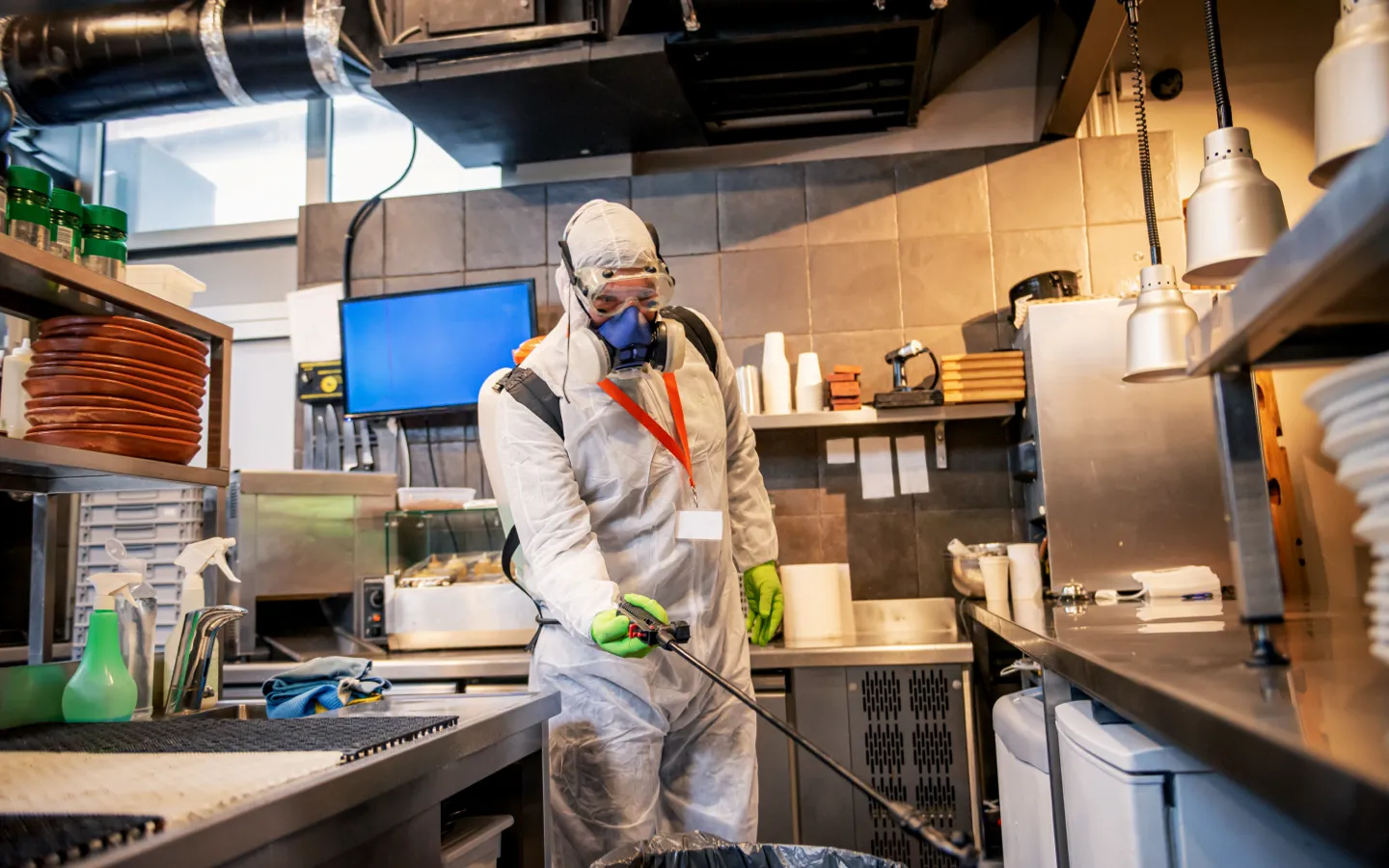
Certification Issuing Body | State or Local Health Department | Department of Agriculture | Certified Pest Management Agencies
Pest Control Certification: Required Licensing for Safe and Compliant Kitchens
The Pest Control Certification is a government-issued license authorizing the safe and legal treatment of pest threats in food service areas. It prevents infestation, supports inspection readiness, and protects hotel guests and operations.
Importance:
Rodents, cockroaches, and flying insects aren't just nuisances—they're vectors of disease and legal risk. In F&B areas, a single pest sighting can trigger a health department shutdown, damage your brand, or result in guest exposure. Certification ensures that only qualified, licensed professionals manage pest prevention and elimination within your food zones, using methods that meet food safety and environmental standards.
Benefits:
Certified pest control improves cleanliness scores, supports HACCP compliance, and mitigates operational risk. It enables proactive inspections, data logging, and root cause analysis for recurring issues. Hotels with current certification gain favor with health inspectors, insurers, and guests who demand verifiable hygiene in dining environments.
Purpose of the Certification+
Core Requirements & Protocols+
Applicable Frameworks+
Role & Responsibility Mapping+
Executive Chef, F&B Director, Stewarding Manager, Engineering Lead, Facility Safety Officer, Contracted Pest Control Vendor.
Why These Roles Are Involved:
These teams coordinate scheduling, verify logs, respond to sighting reports, and ensure treatments do not conflict with food operations or safety requirements.
Training Requirements:
Vendors must be certified and licensed in the jurisdiction. Hotel staff are required to complete pest awareness training annually and maintain a pest control logbook for inspection review.
Operational Impact+
Risk & Non-Compliance Consequences+
Example:
A five-star property in Hong Kong was fined and temporarily shut down after rat droppings were discovered near a buffet line. An unlicensed contractor was used, invalidating their defense. Insurance claims were denied, costing the hotel nearly $800,000 in lost banquet revenue and penalties.
Guest Experience & Brand Value+
Training & Workforce Development+
StayCertified Blockchain Application+